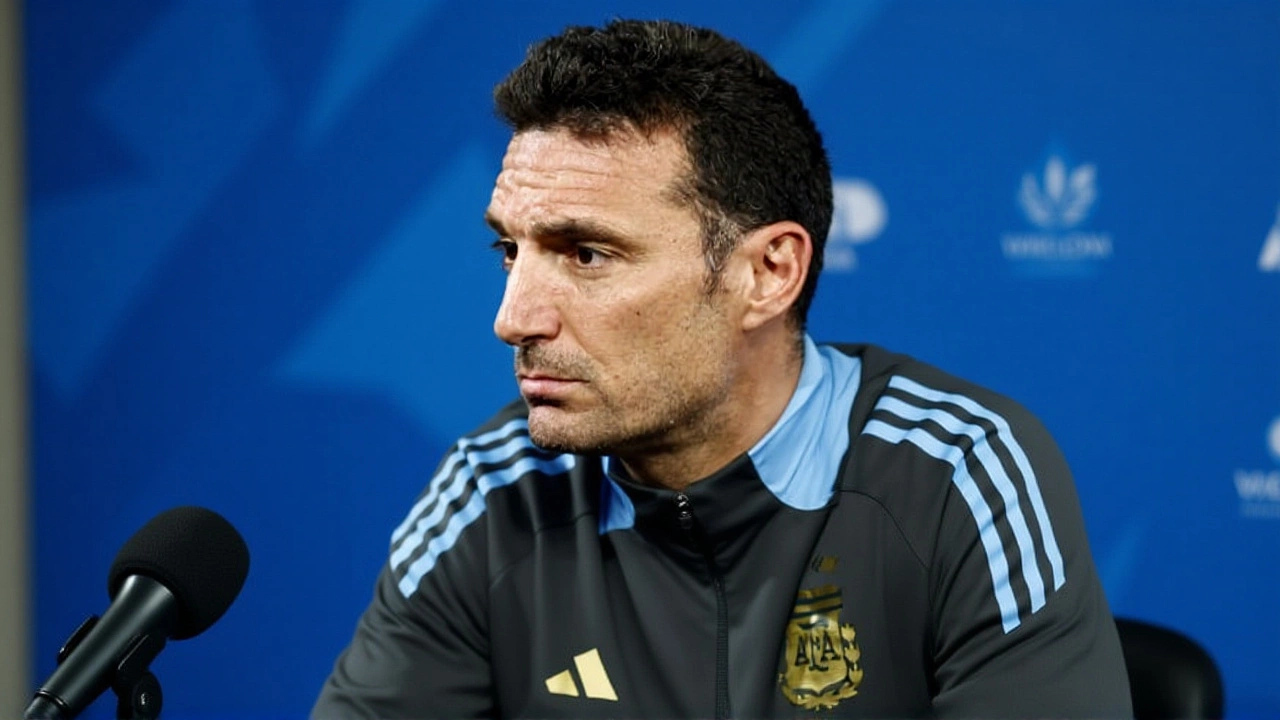
When Lionel Scaloni, head coach of the Argentina national team, stepped up to the microphone on Monday, October 14, 2025, he wasn’t just talking tactics – he was putting a rumor to rest.
Speaking at the team’s training complex in Miami, Florida, Scaloni addressed swirling speculation about 22‑year‑old winger Matías Soulé and his international future. The coach’s eight‑word verdict – "He's 100 percent an Argentine" – was a direct rebuttal to comments from the player’s agent, who hinted the Italy‑eligible forward might switch allegiances.
Why the Question Matters Now
The timing couldn’t be more critical. Argentina is set to face Puerto Rico in a friendly at Hard Rock Stadium on October 15, 2025, a match that doubles as a showcase before the next round of 2026 World Cup qualifiers. If Soulé were to opt for Italy, the Albiceleste would lose a versatile attacking option just as they gear up for decisive games against Paraguay and Peru later in the month.
Scaloni’s clarification also sends a signal to the Argentine Football Association (AFA) that the squad remains intact, easing the nerves of fans who saw the forward sit on the bench during the 1‑0 win over Venezuela on October 12.
Background: Soulé’s Rise and Dual Citizenship
Born on April 15, 2003, in Olavarría, Buenos Aires Province, Soulé burst onto the world stage with Argentina’s U‑23 side in 2023. His Italian roots grant him dual citizenship, a legal doorway that makes a one‑time switch possible under FIFA’s Article 9, provided he hasn’t played more than three senior competitive matches before turning 21.
After a season with Juventus’s youth ranks, the winger signed for AS Roma on July 1, 2024, for €9.5 million plus €2.5 million in add‑ons. The five‑year deal locks him at the Serie A club until 2029, but his national team allegiance remains a hot topic.
- Transfer fee: €9.5 million (plus €2.5 million in add‑ons)
- Dual citizenship: Argentine & Italian
- Senior caps for Argentina: 0 competitive appearances
- U‑23 appearances: 2 (2023)
Scaloni’s Press Conference: The Full Story
The press conference unfolded at 11:00 a.m. EDT, just after Argentina’s final training session at Nova Southeastern University in Fort Lauderdale. Scaloni fielded questions about star forward Lionel Messi’s fitness, then pivoted to Soulé.
“I saw him play on Saturday, but I haven’t spoken to him yet. Now we have our last training session and as we always do, I’ll talk to him and if he’s fit, he’ll play tomorrow,” Scaloni said, referring to Messi’s two‑goal performance for Inter Miami CF on October 12.
When asked about the agent’s remarks, Scaloni answered bluntly: “He’s 100 percent an Argentine.” The brevity of the reply was intentional – he wanted to cut through the noise and keep the squad focused.
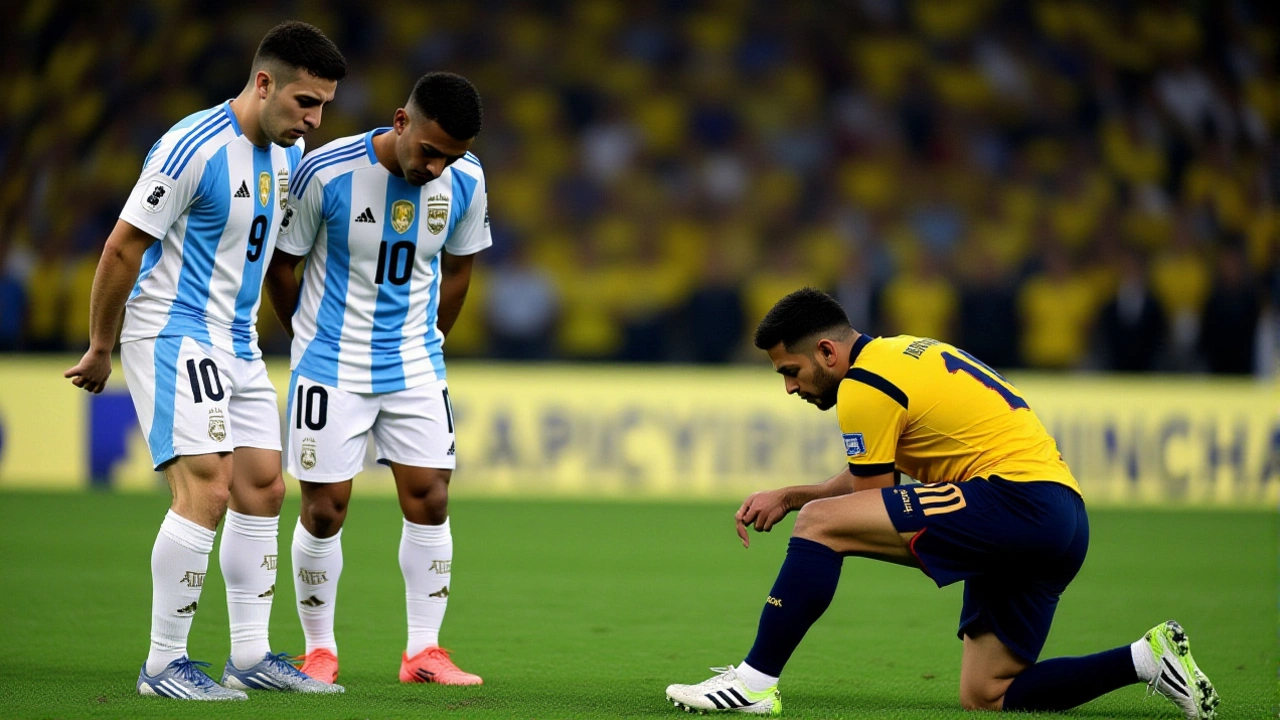
Different Voices: Agent, FIGC, and Pundits
The agent, who asked to remain anonymous, told World Soccer Talk on October 12 that “the option to play for Italy is on the table if the right circumstances arise.” He stopped short of confirming any negotiations.
Across the Atlantic, the Italian Football Federation (FIGC) issued a statement expressing “interest in players of Italian heritage who meet eligibility criteria.” No official approach to Soulé has been disclosed.
Local pundit Carlos Gómez (El Gráfico) argued that “Scaloni’s firm stance is a tactical move – keeping a talented winger in the fold strengthens Argentina’s depth ahead of the crucial November qualifiers.”
What This Means for Argentina’s November Campaign
Argentina’s next World Cup qualifiers are slated for November 15 against Paraguay at La Bombonera and November 19 versus Peru in Lima. The team currently sits atop the CONMEBOL table, but the margin is razor‑thin.
If Soulé remains eligible and chooses Argentina, coach Scaloni gains a late‑arrival option who can operate on either flank or as a second striker. His pace and technical skill could be decisive against Paraguay’s compact defense.
Conversely, a switch to Italy would not only deprive the Albiceleste of a future star but also embolden other dual‑national players to consider similar moves, potentially reshaping the talent pool for South American nations.
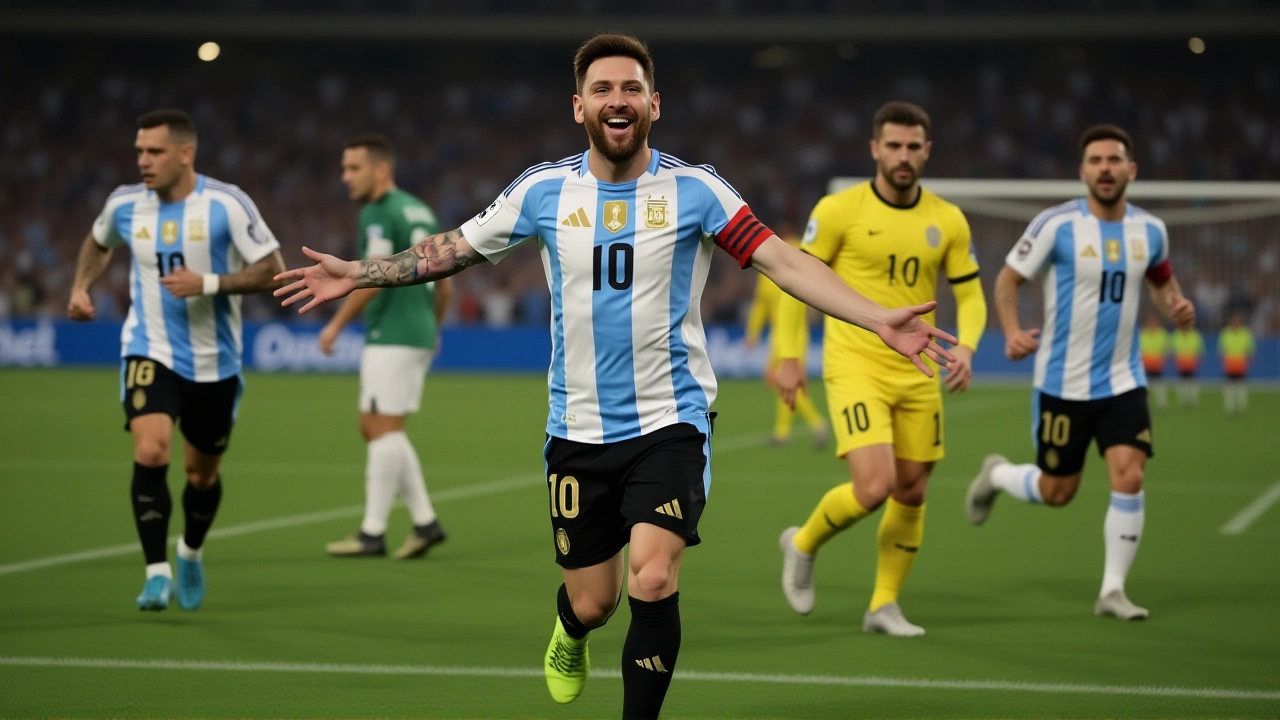
Looking Ahead: Monitoring the Situation
In the short term, the immediate question is whether Soulé will suit up against Puerto Rico on October 15. Scaloni has hinted he may feature if “fit,” but a final decision will likely come after the friendly.
Long‑term, FIFA’s eligibility rules mean any official senior appearance for Argentina in a competitive fixture will lock Soulé in for life. That makes the upcoming qualifiers the decisive moment.
Historical Context: Dual‑National Players in World Football
South America has a long history of players with European ancestry—players like Alberto Quintero (Colombia‑Italy) and Javier Mascherano (Argentina‑Italy) faced similar crossroads. In recent years, the trend has accelerated thanks to globalization and the liberalization of citizenship laws.
Italy’s “Azzurri 2025” project, launched in 2022, explicitly scouts eligible South American talent, aiming to supplement a dwindling domestic pool. The FIGC’s proactive outreach to players like Soulé mirrors that strategy.
For Argentina, retaining dual‑national talent is not just a patriotic issue; it’s a competitive necessity in a continent where every point counts.
- Key Fact 1: Scaloni’s eight‑word declaration was made at a press conference in Miami on October 14, 2025.
- Key Fact 2: Soulé has never played a senior competitive match for Argentina, keeping his FIFA‑eligibility open.
- Key Fact 3: The Argentine squad will face Puerto Rico on October 15 before World Cup qualifiers in November.
- Key Fact 4: The FIGC has publicly expressed interest in players with Italian heritage, including Soulé.
Frequently Asked Questions
How does this affect Argentina’s squad depth for the upcoming World Cup qualifiers?
If Soulé stays Argentine, Scaloni gains a versatile attacker who can cover both wings or play as a second striker. That flexibility could be crucial against Paraguay’s disciplined back line and Peru’s quick transitions. A senior competitive appearance would also lock his eligibility, removing any future doubt.
What are FIFA’s rules for switching national teams in Soulé’s case?
Under Article 9 of FIFA’s Regulations, a player with dual nationality may switch if they have not played more than three senior competitive matches before turning 21 and at least three years have passed since their last senior appearance. Soulé only has U‑23 caps, so he remains eligible to move to Italy.
Why did Soulé’s agent suggest a possible switch to Italy?
The agent’s comment likely reflects market realities: Italy’s national team offers higher exposure in European competitions, and a switch could boost the player’s commercial profile. It also serves as leverage in contract negotiations with clubs.
What impact could a switch have on Italy’s national team plans?
Italy has been scouting dual‑national talent to revitalize its attacking options. Adding a fast, technically gifted winger like Soulé would give the Azzurri depth ahead of Euro 2028 qualifiers and potentially strengthen their squad for the next World Cup.
When will we know Soulé’s final decision?
The decisive moment will be his involvement in an official senior match for Argentina – likely the qualifier against Paraguay on November 15, 2025. Until then, both federations keep the option open.