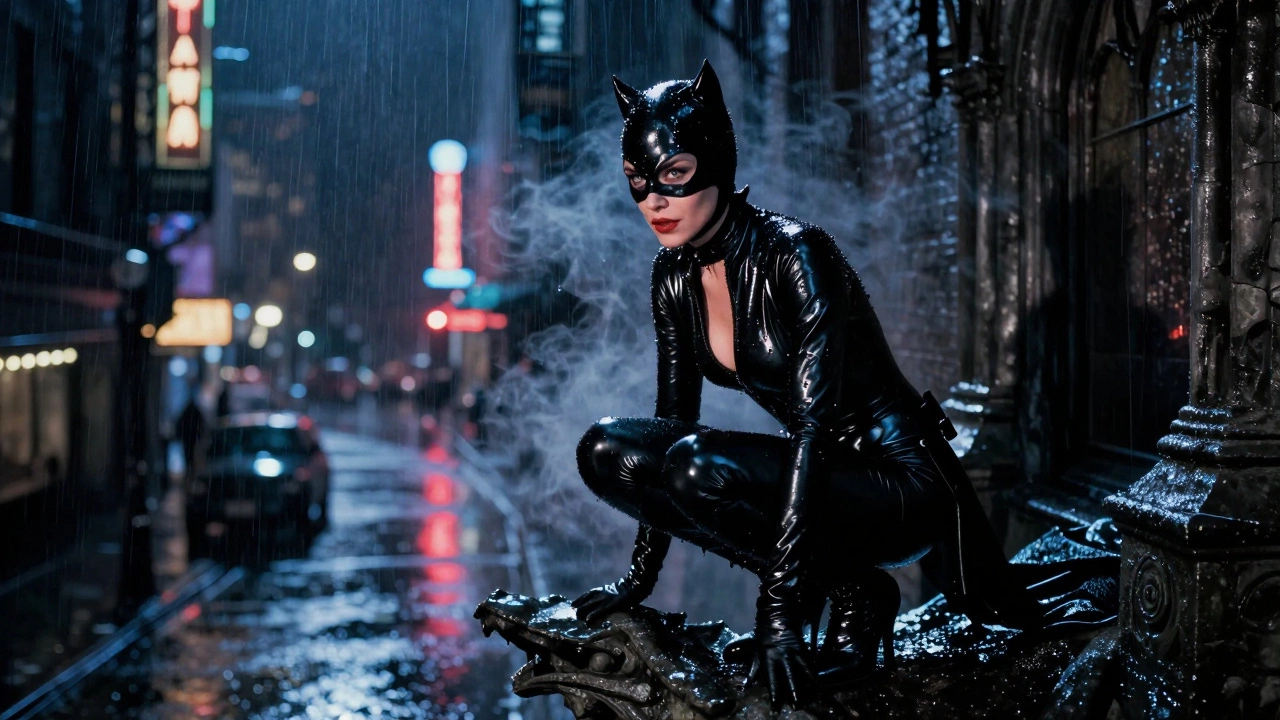
Michelle Pfeiffer’s Catwoman in Batman Returns (1992) didn’t just wear a leather suit-she rewrote the rulebook on how women could command power on screen. No damsel, no sidekick, no redemption arc tied to a man’s approval. She was dangerous, cunning, and utterly in control. Her Catwoman wasn’t just a villain; she was a force of nature, born from trauma, sharpened by revenge, and draped in latex that shimmered like liquid shadow. People still talk about her because she didn’t ask for permission to be terrifyingly beautiful. She took it.
There’s a strange parallel between the allure of Catwoman and the underground world of high-end companionship in cities like Paris. Some might call it fantasy, others exploitation, but the truth is simpler: both exist because people crave control, mystery, and someone who knows how to move through the world without apology. If you’ve ever wondered what it’s like to be with someone who owns their power, you might find echoes of that in an escort pqris-not as a replacement for cinema, but as a real-world reflection of the same energy: confidence, precision, and an unshakable sense of self.
The Birth of a Modern Icon
Before Pfeiffer, Catwoman was a campy side character in the 1960s Batman TV show, played by Julie Newmar and later Eartha Kitt. She was playful, seductive, but never threatening. Pfeiffer changed that. She made Catwoman a woman who had been broken-burned alive by her boss, left for dead-and came back not to forgive, but to dismantle the system that tried to erase her. Her claws weren’t just metal-they were symbols. Every scratch on a man’s face was a reminder: you don’t own me. You never did.
The costume alone became legendary. The suit wasn’t just skin-tight; it moved like a second skin, reacting to every twist, every lunge, every pause. The ears weren’t decorative-they were antennas picking up the tension in the room. Pfeiffer didn’t just act the role. She inhabited it. She moved like a predator who knew every shadow in the room held a secret.
Why She Still Matters
Twenty years later, female characters in superhero films are still fighting for depth. Many are defined by their trauma, then healed by love. Catwoman didn’t need healing. She needed vengeance. And she got it. Her arc wasn’t about becoming a hero. It was about becoming whole-on her own terms.
Compare her to later versions: Anne Hathaway’s Catwoman was charming but emotionally dependent. Zoë Kravitz’s version was stylish but lacked the raw, feral edge. Pfeiffer’s Catwoman didn’t smile to win you over. She smiled because she already knew she’d won.
That’s the lesson: true power doesn’t beg for validation. It doesn’t explain itself. It simply exists-and makes everyone else adjust.
The Psychology of Control
There’s a reason Catwoman’s scenes with Batman still give people chills. It’s not just chemistry. It’s power dynamics. She doesn’t chase him. She lets him chase her-and then pulls away. She holds all the cards. Every glance, every touch, every word is calculated. She’s not playing a game. She’s the one who wrote the rules.
This isn’t just movie magic. It’s the same energy you find in the most compelling real-life figures who operate outside traditional structures. Think of the woman who walks into a boardroom and owns it without saying a word. Or the artist who refuses to compromise their vision. Or the person who charges what they’re worth and never apologizes for it.
That’s the thread connecting Catwoman to the world of elite companionship. Not in the sexual sense alone-but in the assertion of autonomy. An escort pqris doesn’t exist to please. She exists to offer an experience shaped entirely by her boundaries, her rhythm, her rules. That’s power. That’s control. That’s Catwoman in real life.
Pop Culture as a Mirror
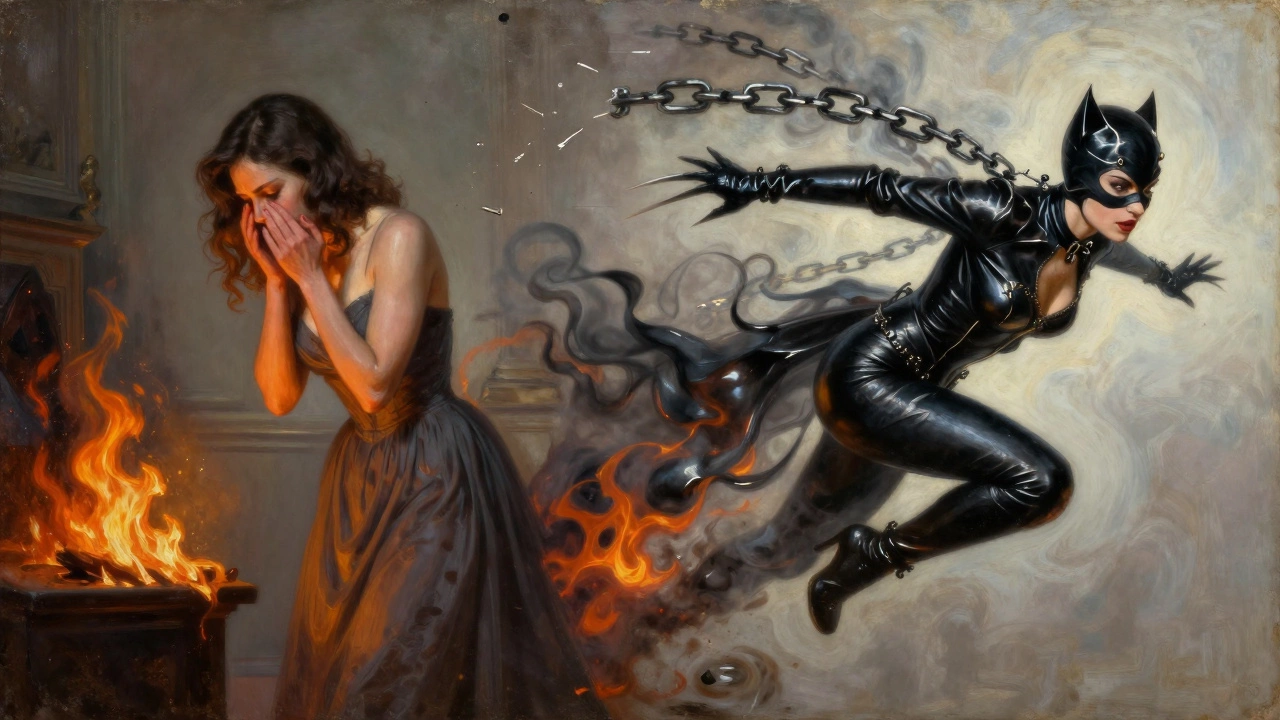
People don’t remember Catwoman because she was sexy. They remember her because she was unapologetic. She didn’t soften her edges to make men comfortable. She didn’t apologize for her anger. She didn’t need a man to save her. She saved herself.
That’s why she resonates now more than ever. In a world where women are still told to be polite, to shrink, to smile through pain-Catwoman says: no. You can be angry. You can be violent. You can be beautiful and brutal at the same time.
And if you’re looking for that same energy in the real world, you’ll find it in places where people refuse to be labeled. Where independence isn’t a buzzword-it’s a lifestyle. Where someone like an escort pqris isn’t defined by her clients, but by her choices.
What Catwoman Taught Us About Identity
She had two identities: Selina Kyle, the quiet, grieving woman who worked in a museum. And Catwoman, the predator who moved through Gotham’s alleys like smoke. Neither was fake. Both were true.
That’s the deepest lesson. You don’t have to choose one version of yourself to be accepted. You can be soft and fierce. Gentle and ruthless. Quiet and loud. The world will try to force you into one box. Catwoman showed us how to smash it.
She didn’t need to be loved by everyone. She didn’t need to be understood. She just needed to be herself. And that’s enough.
Legacy Beyond the Screen
Years after Batman Returns, Pfeiffer rarely spoke about the role. She didn’t chase the spotlight. She didn’t monetize it. She let the character live on its own. That silence made her Catwoman even more powerful. It wasn’t a performance-it was a statement.
Today, you’ll find her influence everywhere: in fashion, in music videos, in the way modern women carry themselves in public spaces. You’ll see her in the woman who walks into a room and doesn’t look for approval. You’ll hear her in the voice that says, “I’m not here to please you.”
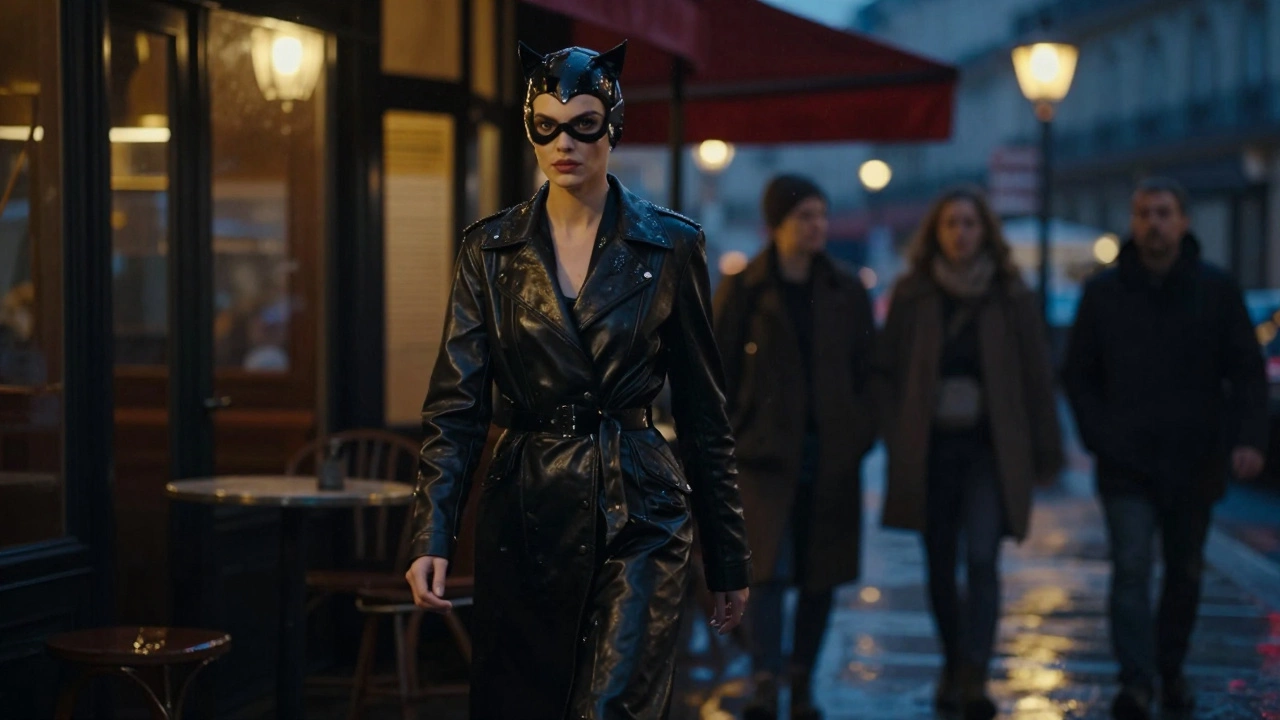
And if you ever find yourself in Paris, walking past a dimly lit café at midnight, you might catch a glimpse of someone who moves like Catwoman-confident, quiet, and utterly untouchable. Maybe she’s an artist. Maybe she’s a lawyer. Maybe she’s an escortgirlparis. It doesn’t matter. What matters is that she owns her space.
Final Thoughts: Power Isn’t Given. It’s Taken.
Michelle Pfeiffer’s Catwoman didn’t wait for a director to give her a strong scene. She made the scene strong. She didn’t wait for society to accept her. She forced it to notice her.
That’s the real takeaway. Power isn’t about costumes or claws. It’s about the quiet certainty that you don’t need anyone’s permission to be who you are.
And if you’re still waiting for someone to say you’re enough? Stop waiting. Put on your own leather. Step into the shadows. And move like you already own the night.
Because the world doesn’t need more people who fit in. It needs more who refuse to.